
From Tang‑Dynasty Noble Fashion to Modern Anti‑Aging Star: This Common Weed Holds Skin‑Renewing Power
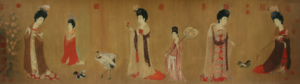
What anti‑aging secret hides inside Ladies Wearing Flowers in Their Hair, the famous ancient Chinese painting showing Tang‑dynasty noble women?
At first glance, the magnolia flowers on the left look promising. However, magnolia mainly eases nasal congestion and fights allergies, with little proven anti‑aging benefit. The pet dogs and cranes in the painting can be ruled out too. Could the answer be the ladies themselves — or their famous pomegranate‑red skirts?
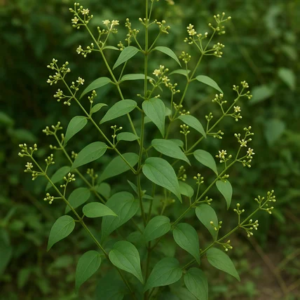
Here is the surprise. Researchers from Xiamen Medical College published new findings in a Nature journal, unlocking skin anti‑aging potential hidden behind the legendary “pomegranate skirt”. The real hero is madder root (Rubia cordifolia), a humble wild plant you can spot growing along roadsides and hills across China.
Bowing to the “Pomegranate Skirt”: Madder Root Is The Real Star
The skirt itself has no medicinal value. Back in Tang dynasty, these eye‑catching red‑hued robes were widely celebrated by poets like Bai Juyi. The bright red colour came mostly from madder root, not pomegranate blossoms.
Madder root is one of China’s oldest natural red dyes. Records dating back to the Zhou Dynasty note madder for producing rich crimson fabric. Deep‑red textiles unearthed from the Mawangdui Han tombs still carry traces of madder pigments. Beyond dyeing clothes, it coloured paintings and ancient cosmetics, delivering stable, long‑lasting red shades for royal and noble households.
Traditional Chinese medicine also valued madder highly. Classic texts record it for nourishing blood, stopping bleeding, promoting circulation and easing pain. For thousands of years, this plant was both a precious economic crop and a trusted herbal remedy. Modern science is now uncovering its previously unknown anti‑aging strengths.
75 Skin‑Aging Targets: Madder Fights Harmful Oxidative Stress
Your skin is your body’s largest protective barrier. Constant UV exposure and environmental pressure trigger oxidative stress, building up excess reactive oxygen species (ROS). ROS damages lipids, DNA and proteins, speeding up cell death, skin aging, inflammation and skin lesions.
The key active compound in madder root is rubiadin, stable and abundant within madder extracts. In lab tests, scientists used hydrogen peroxide to create heavy oxidative damage on human skin keratinocyte cells. Under stress, ROS levels and MDA (lipid damage marker) shot up, while protective antioxidant enzyme SOD dropped sharply. Cell apoptosis jumped from 2.29 % to 21.08 %, with cells shrinking, breaking apart and dying off.
When researchers added 10 μM rubiadin to these damaged skin cells, results were striking. ROS levels dropped significantly, and the cell‑death rate fell back to 9.58 % — roughly an 11.5 % reduction in cell apoptosis.
Further bio‑analysis uncovered 75 overlapping targets shared by rubiadin and oxidative‑stress‑driven skin aging. Those targets centre on the PI3K‑AKT signalling pathway, which governs cell survival, growth and metabolism. Oxidative stress switches this pathway off, but rubiadin restores its normal activity. Rubiadin also rebalances the endocannabinoid system (ECS), which regulates skin inflammation and immune response.
XI’AN SPRINGJIA BIO‑TECHNIQUE CO.,LTD keeps close track of emerging research on traditional‑plant‑derived active ingredients like rubiadin for natural skincare and nutraceutical development.
More Than Skin Anti‑Aging: Broad Biological Benefits of Madder Root
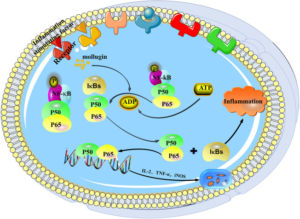
Rubiadin is only one of over 150 bioactive compounds found in madder root, including anthraquinones, terpenoids and polysaccharides. Its two core working mechanisms are antioxidation and anti‑inflammation, blocking multiple inflammatory signalling pathways and lowering pro‑inflammatory factors.
- Anti‑aging for organs: Madder polysaccharides clear free radicals, safeguard mitochondria and suppress cell death in heart and brain cells in aging animal models, supporting cardiac and cerebral health.
- Anti‑tumour activity: Special cyclic hexapeptides from madder show inhibitory effects against many cancer cell lines including lung, breast, gastric and colon cancer cells.
- Antibacterial support: Madder methanol extract inhibits common harmful bacteria such as Staphylococcus aureus and Pseudomonas aeruginosa.
Additional research points to neuroprotection, liver protection, relief for menstrual discomfort, and improvement for skin conditions like eczema and psoriasis.
Closing Thoughts
Road‑side weeds such as madder, sage and rosemary are stepping back into the spotlight of modern wellness. They were once widely used in ancient cultures, then forgotten for a time, only to reveal new potential with scientific research.
Plants treasured by old civilizations still hold untapped surprises for today’s anti‑aging and biomedical industries. Which traditional herb will become the next breakout star?
If you would like to learn more about evidence‑backed natural plant actives, stay tuned for more updates from XI’AN SPRINGJIA BIO‑TECHNIQUE CO.,LTD.